
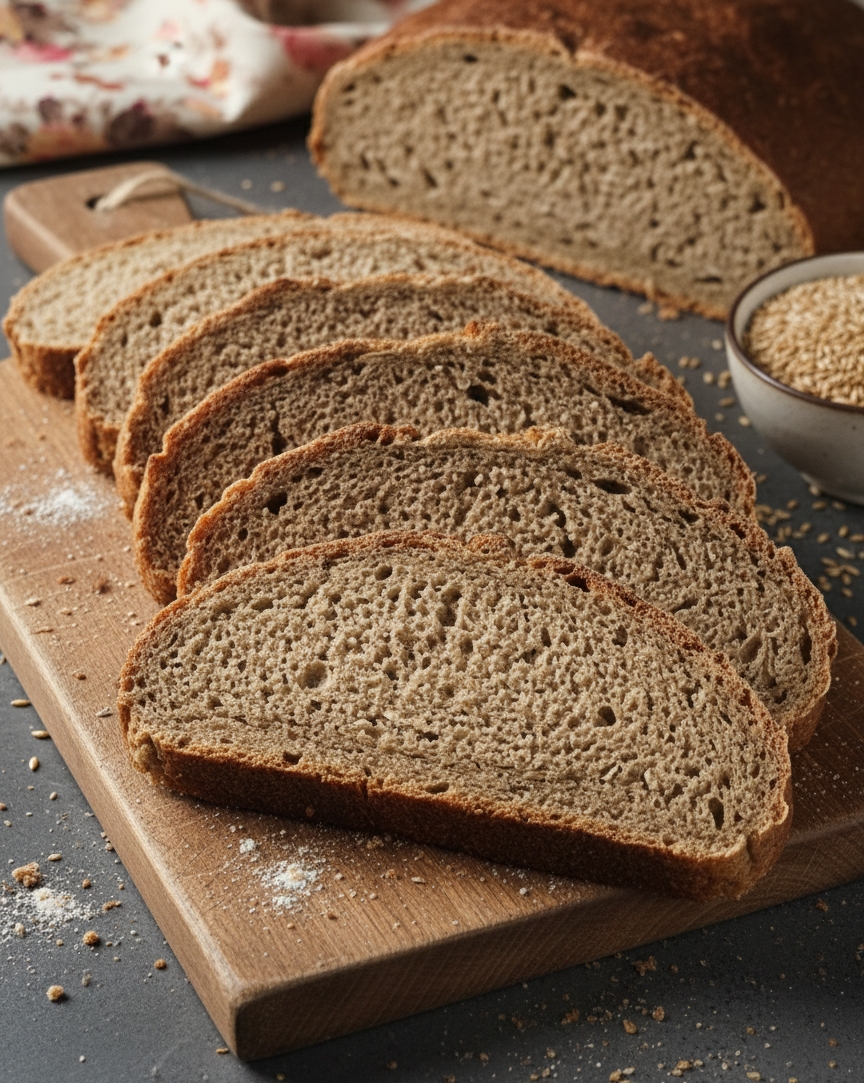
Einkorn Bread, which is made with one of the oldest cultivated wheat in the world, is a wholesome, flavorful loaf offering a rich taste. With its nutty flavor, tender crumb, and exceptional nutrition, einkorn bread is a must to try. This homemade einkorn bread recipe uses slow, cold fermentation for 48 hours to improve digestibility and crust. Whether you’re new to baking breads, or baking with einkorn flour, which is hard to reach to the perfect version, this guide walks you through every detail for high-quality results at home.
Before we got into how to make einkorn bread at home, we need to examine the main ingredient we need: einkorn wheat.
What is Einkorn Wheat?
Einkorn Wheat is the oldest known variety of cultivated wheat, dating back over 10,000 years. It has remained largely unchanged by modern agricuktural practices, meanint it retains its original nutrient profile. Unlike modern wheat, einkorn has:
- Lower gluten content. That means, einkorn wheat is easier to digest for many people.
- Higher protein, antioxidants, and minerals. Einkorn wheat contains higher levels of lutein, zinc, and magnesium.
- A rich, nutty flavor. More deeper and complex than standard wheat.
Even though einkorn wheat is harder to produce, it is much more healthier and natural than other wheats, which means it worths the effort.
For having a slightly unique gluten structure, einkorn behaves differently in bread recipes. It requires gentle handling and different hydration levels.
To learn more deeply about the history of Einkorn Wheat, check out our blog we prepared for this ancient grain: Einkorn Wheat: Exploring an Ancient Grain!
Is Einkorn Wheat Gluten Free?
No, Einkorn wheat is not gluten-free. Even though it includes much less gluten content, still the einkorn wheat includes gluten, so it is not safe for people with celiac disease.
What is Einkorn Bread?
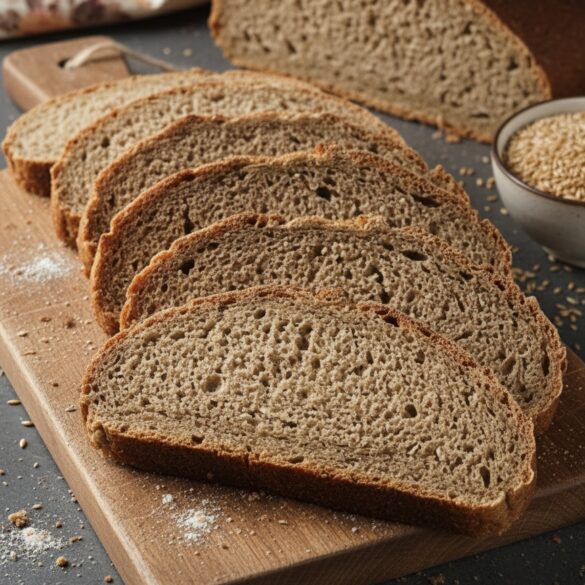
Einkorn bread is a loaf made primarily from einkorn flour. Apart from its distinctive taste, it is a bread with a golden color and nutritional value. Compared to bread made from modern wheat, it has:
- A softer, more tender crumb
- Naturally sweet, nutty notes without added sugar
- Better digestibility for many due to its simpler gluten structure
Besides having all these beneficial advantages, einkorn bread is also safe to eat for people with diabetes. Einkorn Bread is perfect for everyday sandwiches, toasts, or enjoying in breakfast with a drizzle of virgin olive oil.
Ingredients
Einkorn Flour: The star of the recipe, this flour gives the bread its unique flavor, soft golden hue, and rich nutrition. Its delicate gluten requires less kneading than modern wheat.
Sea Salt: Balances the natural sweetness of einkorn and enhances flavor depth. It also strengthens gluten bonds during fermentation.
Instant Yeast: The leavening agent that helps the bread rise. Even though we use a small amount, the long cold fermentation fully develops its flavor and structure.
Cold Water: Used instead of warm water to slow yeast activation, allowing a 48-hour fermentation that enhances taste and digestibility.
Olive Oil: Adds moisture, prevents the crumb from drying out too quickly, and gives a subtle richness.
Optional Honey or Maple Syrup: A gentle sweetness that complements the nutty einkorn flavor without overpowering it.
How to Make Einkorn Bread?
Mix the dough: In a large bowl, whisk together einkorn flour, salt, and yeast. Add cold water, olive oil, and honey (if using). Stir with a wooden spoon until a shaggy, slightly sticky dough forms.
💡 Tip: Einkorn dough will be stickier than regular wheat dough—don’t add too much extra flour.
Light kneading: Gently knead for about 2–3 minutes, just until the dough comes together.
❌ Mistake to avoid: Over-kneading will make the dough gummy because einkorn’s gluten is delicate.
Cold fermentation: Transfer the dough to a lightly oiled bowl, cover tightly, and place in the refrigerator for 48 hours. This slow process develops deeper flavor and makes the bread easier to digest.
Room temperature rise: Remove the dough from the fridge and let it rest for 1–2 hours until slightly puffy.
Shape the loaf: Gently shape the dough into a round or oval, being careful not to deflate it too much. Place it on parchment paper.
💡 Tip: Lightly flour your hands or use a bench scraper to handle the sticky dough.
Final proof: Cover with a towel and proof for 45–60 minutes at room temperature.
Bake: Preheat the oven to 230°C (450°F) with a Dutch oven inside. Score the dough with a sharp knife, place it into the hot Dutch oven, cover, and bake for 25 minutes. Remove the lid and bake for another 10 minutes for a golden crust.
Cool completely: Let the loaf rest on a wire rack before slicing to prevent a gummy texture.
Key Notes
- Cold fermentation enhances flavor, digestibility, and crust quality.
- Hydration levels vary with einkorn—be prepared to adjust slightly based on your flour.
- Gentle handling is crucial; treat the dough with care to preserve air bubbles.
- Baking vessel choice matters—a preheated Dutch oven traps steam for the best crust.
- Patience pays off—don’t rush the process; einkorn rewards slow, mindful baking.
Serving Tips
- For breakfast: Serve warm slices with butter and a drizzle of honey for a naturally sweet start to your day.
- As toast: Top with avocado, poached eggs, or ricotta and roasted tomatoes.
- With soups & stews: Its hearty flavor pairs beautifully with vegetable soups or lentil stews.
- Gourmet sandwiches: Use thick slices for grilled cheese or open-faced Mediterranean-style sandwiches with olives, feta, and fresh herbs.
- Olive oil dip: Pair with extra virgin olive oil, balsamic vinegar, and sea salt for an Italian-style appetizer.
Thanks to Siyez Fırın

We would like to extend our heartfelt thanks to Siyez Fırın Unlu Mamülleri for their valuable contribution to this recipe. Their dedication to preserving traditional flavors and providing high-quality ingredients made it possible for us to create this wholesome Siyez bread. We are grateful for their support in keeping such authentic tastes alive.
Ingredients
-
500 g (4 cups) whole einkorn flour
-
10 g (2 tsp) sea salt
-
7 g (2 tsp) instant yeast
-
300 ml (1 ½ cups) cold water
-
1 tbsp olive oil (plus extra for greasing)
-
Optional: 1 tbsp honey or maple syrup for mild sweetness
Instructions
-
Mix the dough: In a large mixing bowl, whisk together einkorn flour, salt, and yeast. Add cold water and olive oil (plus honey if using) and stir until a shaggy dough forms.
-
First knead: Gently knead the dough for about 2–3 minutes until it comes together. Einkorn has a weaker gluten structure, so avoid over-kneading.
-
Cold yeast activation & fermentation: Transfer the dough to a lightly oiled bowl, cover tightly, and place in the refrigerator. Let it rest in the cold for 48 hours to allow slow yeast activation and flavor development.
-
Shape the dough: After fermentation, remove the dough from the fridge and let it sit at room temperature for 1–2 hours until slightly puffy. Gently shape into a round or oval loaf.
-
Second proof: Place the shaped dough on parchment paper, cover with a towel, and proof for 45–60 minutes.
-
Preheat the oven: About 30 minutes before baking, preheat the oven to 230°C (450°F). If using a Dutch oven, place it inside to heat up.
-
Bake: Transfer the dough into the hot Dutch oven (or baking sheet), score the top with a sharp knife, cover (if using a Dutch oven), and bake for 25 minutes. Remove the lid and bake for another 10 minutes for a golden crust.
-
Cool: Let the bread cool completely on a wire rack before slicing.
Notes
-
Cold fermentation is essential. This method allows yeast to activate slowly in the refrigerator, giving the bread a deep, complex flavor and improving digestibility.
-
Handle gently. Einkorn’s gluten is delicate; kneading too much will make the dough sticky and dense.
-
Hydration matters. Einkorn absorbs water differently than modern wheat; if your dough feels dry, add a splash more water.
-
Dutch oven advantage. Baking in a preheated Dutch oven traps steam for a perfect crust.
-
Storage tip. Keep at room temperature in a paper bag for 2–3 days, or freeze slices for longer storage