
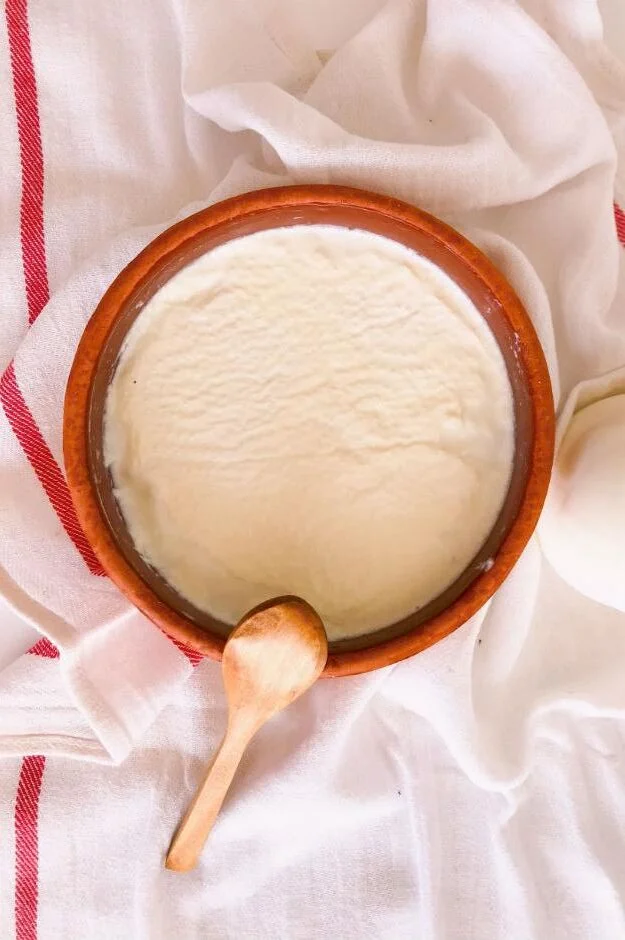
Yogurt recipe lovers, you’re in for a treat! This is not just any yogurt, it’s an authentic Turkish homemade yogurt recipe. It captures the rich, creamy texture and slightly tangy flavor that defines traditional Turkish yogurt. If you’re looking for a natural, wholesome, and easy way to make homemade yogurt, this detailed guide will walk you through everything you need to know — from ingredients and temperatures to troubleshooting and expert tips.
What is Yogurt?
Yogurt is a fermented dairy product made by adding live bacterial cultures to milk. It’s enjoyed across the globe in many forms, but Turkish yogurt stands out for its firm texture, mildly tangy taste, and versatility — perfect for both savory and sweet dishes.
Turkish yogurt, often made from raw milk, is fermented naturally without any additives or thickeners. The result? A thick, creamy yogurt that’s packed with beneficial probiotics and rich in calcium and protein. It’s not just food — it’s a tradition.
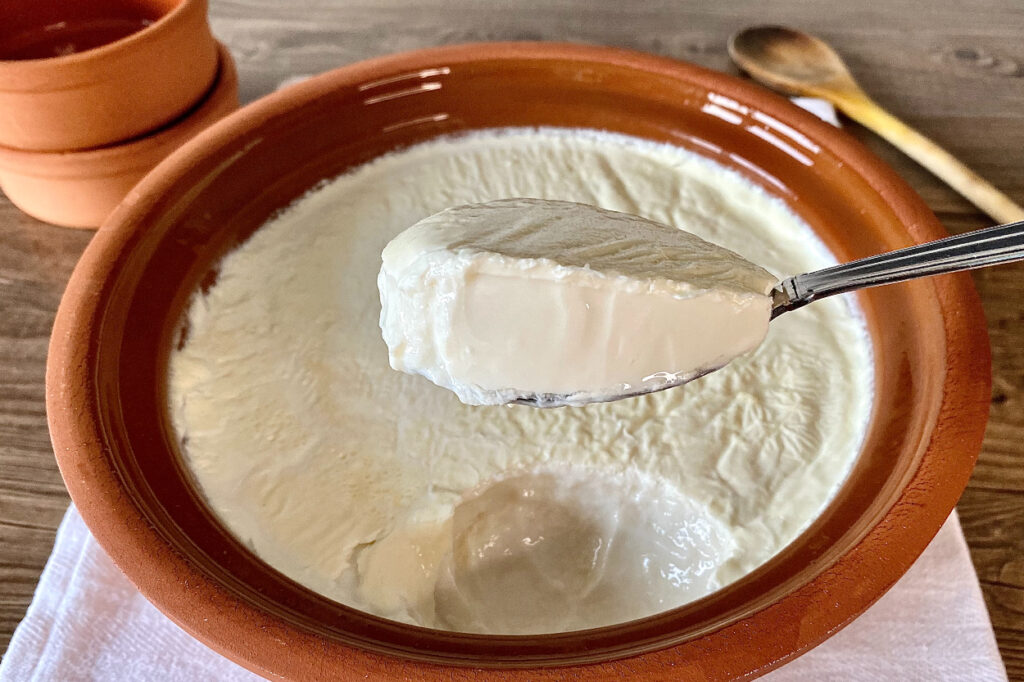
Ingredients
5 liters Raw Milk: Raw milk is the most traditional and flavorful choice. It gives the yogurt a rich, creamy consistency and depth of flavor. However, it must be boiled thoroughly to kill any harmful bacteria. Pasteurized milk is also suitable, though the texture may be slightly looser.
3–4 Tablespoons Yogurt with Active Cultures: This is your starter yogurt, also known as yoğurt mayası in Turkish. It should be at room temperature and contain live active cultures.
💡Tip: For every 1 liter of milk, use 1 tablespoon of starter. Make sure the yogurt is fresh and not overly sour for the best results.
How to Make Yogurt at Home?
1. Boil the Milk
- Pour the milk into a large pot and bring to a boil over medium heat, stirring occasionally.
- Once it starts to boil, reduce the heat and simmer for a few minutes.
💡Tip: Stirring with a ladle while simmering helps improve the final consistency by reducing the water content in the milk.
2. Cool the Milk
- Let the milk cool to 43–45°C (109–113°F).
- You can test with a thermometer, or use the traditional pinky test: dip your little finger in and hold for 8–10 seconds. If it’s warm but doesn’t burn, it’s ready.
❌ Avoid this mistake: Do not add your starter while the milk is too hot or too cold — too hot will kill the bacteria, too cold will prevent fermentation.
3. Prepare the Starter
- In a small bowl, mix a few spoonfuls of the warm milk with the starter yogurt.
- Stir until smooth, then add this mixture into the main pot and stir gently once or twice to combine.
4. Ferment
- Cover the pot with a strainer or breathable lid to prevent condensation from dripping back in.
- Then wrap it in a thick towel or blanket and leave it undisturbed in a warm place for 5–6 hours.
5. Cool and Store
- Once the yogurt has set, let it sit uncovered at room temperature to cool.
- Place it in the refrigerator, uncovered, and allow it to rest for 24 hours to develop flavor and texture.
Key Notes
- Choose a container with a lid for easier refrigeration after fermentation.
- For a thicker yogurt, strain it through a clean muslin cloth or cheesecloth to make süzme yoğurt.
- If the yogurt doesn’t set, place the pot in a larger bowl of warm water, cover again, and let it sit a bit longer. Still no luck? You can boil it with more yogurt to make curd cheese (ekşimik).
- Consistency improves with practice — don’t be discouraged if your first attempt isn’t perfect.
Serving Tips
- Drizzle with honey and walnuts for a traditional Turkish breakfast.
- Mix with grated cucumber, garlic, and mint for a refreshing cacık.
- Blend with water and salt for ayran — the classic yogurt drink.
- Add a spoonful to soups, stews, or grilled vegetables.
- Serve with garlic over dishes.
Frequently Asked Questions
How long does it take to ferment yogurt at home?
Usually between 4 to 6 hours, depending on room temperature.
What temperature should the milk be for adding the yogurt starter?
43–45°C (109–113°F). You can test by dipping your finger — if you can hold it for 8–10 seconds, it’s just right.
What kind of milk is best for making yogurt?
Raw milk is ideal for creaminess and taste. Pasteurized or UHT milk works too, though results may vary in texture.
How long does homemade yogurt last?
It stays fresh in the fridge for 5–7 days. It may become slightly tangier over time.
How much starter yogurt should I use?
Roughly 1 tablespoon per liter of milk.
By following this Turkish yogurt recipe, you’re not just making yogurt — you’re preserving a centuries-old tradition. With only two ingredients and a little care, your kitchen will be filled with the flavor of homemade goodness. Enjoy — and remember to save a spoonful for your next batch!
Ingredients
- 5 kg raw milk (or pasteurized, if preferred)
- 3–4 tablespoons plain yogurt with live active cultures (at room temperature)
Instructions
- Boil the milk: Pour the raw milk into a deep pot. Bring it to a boil, stirring occasionally to prevent burning. Once it reaches boiling, reduce the heat and simmer for a few more minutes while continuing to stir to allow excess water to evaporate.
- Cool the milk: Turn off the heat and let the milk cool until it reaches about 43–45°C (109–113°F). You can check manually by dipping your pinky finger—if you can hold it in the milk for about 8–10 seconds without discomfort, it's ready.
- Prepare the starter culture: In a small bowl, mix 3–4 tablespoons of room-temperature yogurt with a few tablespoons of the cooled milk. Stir until smooth and combined.
- Add the starter to the milk: Gently stir the starter yogurt mixture into the pot of warm milk. Stir a few times to evenly distribute the culture.
- Cover and ferment: Place a strainer or lid over the pot to prevent condensation. Wrap the pot with a thick towel or blanket to retain warmth. Leave undisturbed in a warm place for 5–6 hours.
- Cool and chill: After fermentation, remove the cover and let the yogurt cool to room temperature without sealing. Then refrigerate uncovered for 24 hours to allow it to fully set.
- Enjoy: After chilling, your yogurt is ready to eat! Store in the fridge and enjoy within 5–7 days.
Notes
- Use homemade or strained yogurt: You can use a previously made homemade yogurt or diluted strained yogurt as a starter.
- Use a container with a lid: It helps when transferring to the fridge after fermentation.
- Avoid watery yogurt: Place a strainer over the pot during fermentation to prevent steam from dripping back in. Also, be sure to keep the container well-insulated for consistent warmth.
- Portioning tip: You can portion the milk into smaller containers before fermentation if you prefer single servings.
- Don’t rush refrigeration: Allow the yogurt to rest at room temperature before moving it to the fridge, and let it chill for a full day uncovered to set properly.
- Use quality milk: Yogurt made with raw farm-fresh milk will be thicker and creamier compared to pasteurized or UHT milk.
- Want strained yogurt? To make thick, Greek-style yogurt, place the finished yogurt in a clean cheesecloth or cotton pouch and let it strain in the fridge for several hours.
- If it doesn’t set? Don’t throw it away! Place the yogurt pot in a larger bowl filled with warm water and cover with a clean cloth. Let it ferment longer. If it still doesn’t set, you can repurpose it by boiling it with extra yogurt to make curd cheese.